
Get You Updated on Playground Equipment News.
This is not a blog post for the faint of heart but really an ultimate survival guide for your investment. I will never give you a generic government checklist that you can find with a five-second Google search in this article. I’m going to tell you the reason why your $200,000 equipment might rot in a shipping container, why a customs officer might take your dream as a hostage, even why a Fire Marshal might shut you down two days before the grand opening of your playground.
As an experienced indoor playground manufacturer with 15 years in such a tough industry at Lemfun, I have met and overcome varied challenges. I have seen so many playgrounds soar, and I have also found grown men cry because of missing a single structural signature. You’re compeletely wrong,if you believe that buying the correct equipment is the hardest part of your business. What the real battle is navigating the bureaucracy and securing the right permits .
What i mean is : If you are looking for play area equipment for sale, the first thing you need to learn is the legal landscape where that equipment will sit. Otherwise, what you're buying is a very expensive pile of steel pipe,plastic and foam, instead of a profitable business.
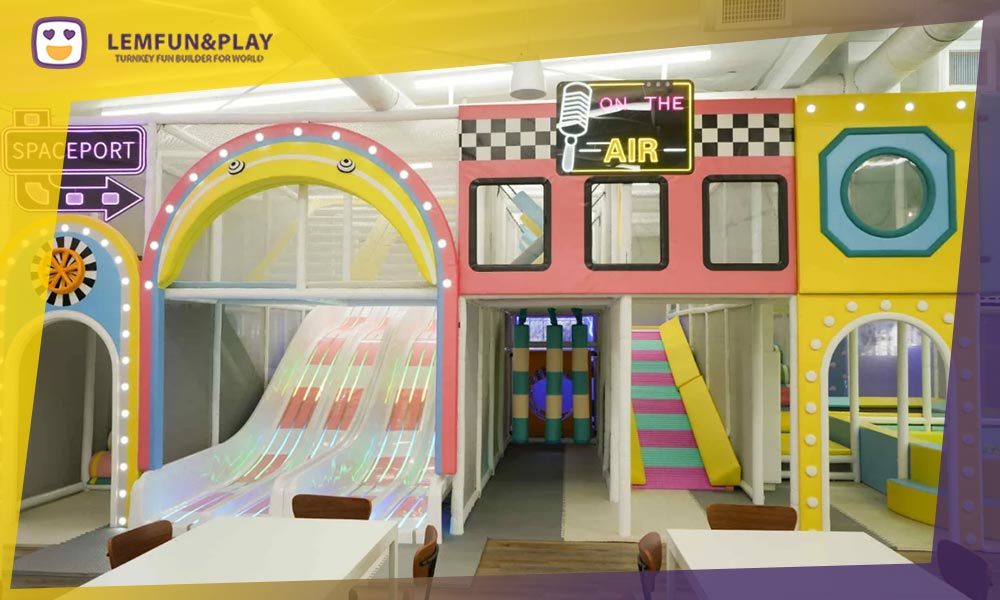
Most investors find a cheap warehouse in the downtown and start installing their equipment directly. Most of them have such a thought: "Perfect,and the next step is just throwing some slides and games in here and charging for tickets." This thought is harmful to your business plan.
buildings are classified by Occupancy Class in the US, UK, and most developed markets. And a warehouse is designed for storage,it's a "Low Hazard" environment. In the contrast, an indoor playground is an "Assembly Occupancy." The safety requirements are worlds apart, because you are trying to put hundreds of children into a relatively confined space.
Before you spend your money on equipment, applying for a Zoning Permit or a Conditional Use Permit (CUP) is what you must do.The core you are doing is asking the city for permission to change how that building is used.
The Financial Impact: Converting a warehouse into a commercial place isn't just about paperwork, you will be forced to upgrade the infrastructure for getting that permit. This usually means adding 2-3 additional fire exits with panic bars,upgrading to industrial-grade, high-flow sprinkler systems and reinforcing the concrete slab to handle the weight of the structures.
In my 15 years of experience in this industry, these structural modifications will actually add 20% to 40% to your initial renovation budget. If you don't factor this in during your "indoor playground equipment cost" analysis, your ROI will vanish before you sell your first cup of coffee.
2. Customs & Material Certifications: The Romania Lesson
Let me tell you a story that we still talk about at the Lemfun factory. It's a story about how a single piece of artificial grass almost ruined a businessman's life.
We had a client in Romania. Everything was perfect—the design was world-class, production was on time, and the shipping was smooth. But when the container hit the port in Romania, the customs officers blocked it. They didn't care about the massive slides or the ball pits. They cared about one thing: the artificial turf we had sourced from a third-party supplier to decorate the entrance.
The turf lacked a specific PVC Material Safety Certificate. Because that one item was in the container, the entire shipment was impounded.
My Advice: When you work with an indoor playground manufacturer, demand transparency on every sub-component. At Lemfun, we learned our lesson. We now ensure every soft pad, platform, and net meets ASTM and EN1176 standards. We had to scramble to get electronic certificates and temporary declarations from the turf manufacturer and rush them to the Romanian port to clear that container. Don't let your equipment rot at the docks because your supplier was lazy with their paperwork.
If you are planning a massive multi-level structure or a high-tower attraction—the kind that makes kids' jaws drop—the city will demand a Structural Permit. You cannot just show them a pretty 3D render from our design team.
You need a Professional Engineer (PE) stamped report. This is a document signed by a licensed engineer in your specific jurisdiction. This report must cover two critical areas:
Static Load: The dead weight of the steel, foam, and wood.
Dynamic Load: This is the "real world" weight. What happens when 50 teenagers are jumping, running, and colliding in a single zone simultaneously? The force generated is massive.
Point Load: The report must prove that your concrete floor won't crack under the concentrated pressure of the equipment's support posts.
If your floor cracks or the structure wobbles, you aren't just facing a fine; you're facing a catastrophic liability. We at Lemfun provide the detailed engineering drawings, but you must find a local PE to "stamp" them for your local building department.
4. Fire Safety: The Difference Between "Flame Retardant" and "Fire Proof"
Nothing shuts a business down faster than a Fire Marshal. These guys have the power of gods in the world of commercial real estate. They don't care about your color scheme or your "brand experience." They care about NFPA 701 (USA) or EN 13501 (Europe) ratings.
Everything we ship—from the PVC vinyl wrapping to the safety netting—is tested for fire performance.
The Trap: If you buy cheap, uncertified equipment from a "no-name" factory, the Fire Marshal will walk in during your final inspection with a lighter. He will literally try to burn a sample of your padding. If it drips molten plastic or produces thick black smoke, he will revoke your Certificate of Occupancy (CO) on the spot. You will be forced to strip the entire playground and replace the padding before you can open.
Using Lemfun's ASTM-certified materials isn't just about safety; it's about passing that inspection the first time.
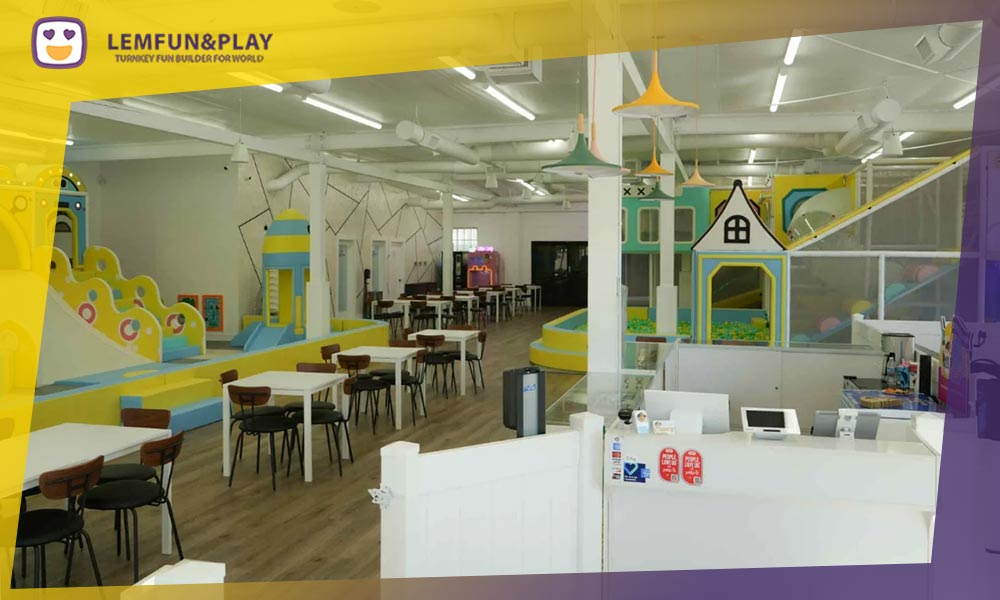
Adding a cafe seems like an easy way to boost revenue, but it doubles your permit workload. The moment you move from "playing" to "eating," you enter a different world of regulation.
The Simple Way: Selling pre-packaged snacks and bottled water? That's a basic retail license. Low stress.
The Hard Way: Brewing espresso, cutting fruit, or flipping burgers? Now you are a "Retail Food Facility."
You will now need a Health Department Permit. This requires:
A grease trap in your plumbing.
Stainless steel surfaces.
At least one staff member on-site at all times with a Food Safety Manager Certification.
The health inspector is often stricter than the building inspector. If your kitchen isn't physically separated from the ball pit in a way that prevents cross-contamination, they will shut your kitchen down—and possibly your whole park.
6. Insurance & ADA Compliance: The "No-Break" Rule
Insurance companies in the West don't create their own safety rules; they hide behind the ADA (Americans with Disabilities Act) or the Equality Act. If your facility isn't accessible to children with disabilities, you are considered "uninsurable."
The biggest mistake investors make is assuming "Soft Play" is automatically ADA-compliant because it's soft.
Standard Foam Mats (ASTM F1292): These are designed for fall protection. They are soft. Too soft. A wheelchair cannot roll across them; the wheels sink.
ADA Required Mats (ASTM F1951): These are specialized mats that are firm enough for a wheelchair to navigate while still being safe for falls.
Insurance inspectors will check your "Path of Travel." If a child in a wheelchair can't get from the front door to at least one core play activity without hitting a 2-inch step or a "sinkhole" of soft foam, you will be denied coverage. Without insurance, you cannot get your business license. It's a dead end.
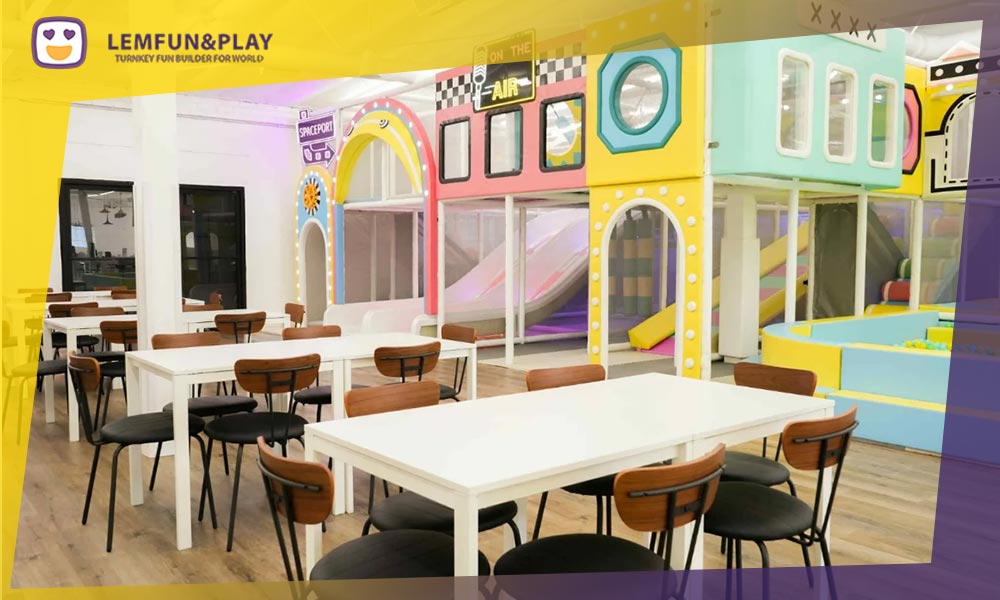
I get asked this every single day: "Do I need to pay for your engineers to fly out, or can I just hire some local handymen?"
Here is the "insider" truth: The government inspector doesn't actually care who turned the bolts. They don't check IDs. They care that the Final Product matches the approved plans.
However, there is a massive "Success Gap" here. Local "handyman" crews often miss the critical safety details that inspectors look for:
The exact tension required for safety netting (if it's too loose, a child's head can get stuck).
The 100% coverage of foam padding (no exposed steel).
Correct anchoring into the concrete.
At Lemfun, we provide a 100-page, illustrated installation manual. If you hire a local crew, they must follow it like the Bible. If you use our factory-trained engineers, we guarantee the installation meets the manufacturer's spec, which makes the government's "Final Walkthrough" a breeze. In my experience, the "fail rate" of local amateur installs during the final inspection is significantly higher.
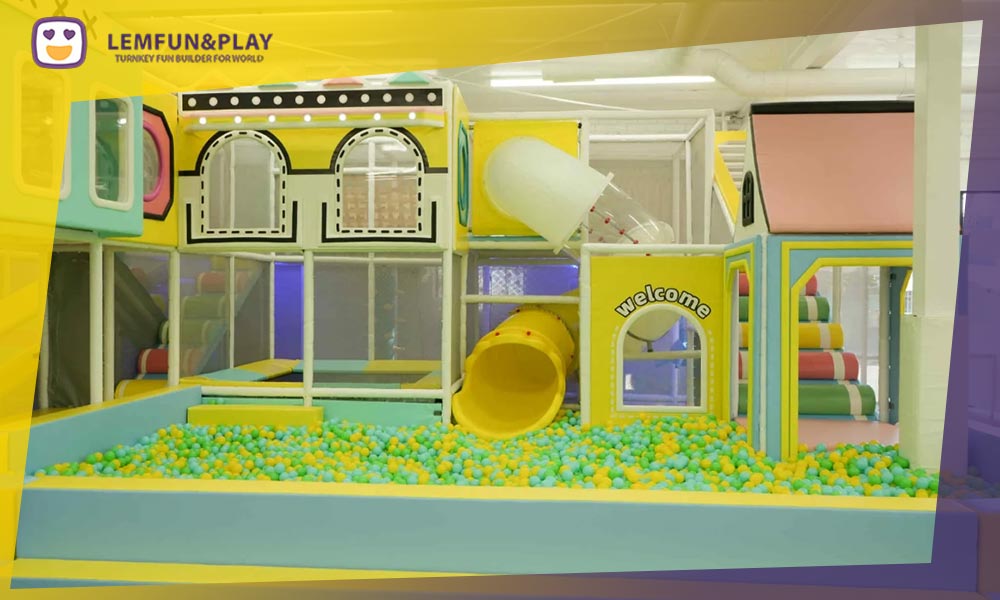
Modern playgrounds are full of "bells and whistles"—electric carousels, interactive projection games, and LED "volcano" slides.
Every single one of these components must be UL or CE certified.
If a motor in a spinning carousel shorts out and causes a small fire, and that motor wasn't UL-listed, your insurance company has a legal "exit door." They will refuse to pay the claim because you installed uncertified electrical equipment. You will be left with a burnt building, a canceled policy, and a mountain of lawsuits. Never compromise on electrical safety to save a few dollars on a motor.
9. The Timeline: How to Not Go Broke Paying Rent
The biggest killer of indoor playgrounds isn't a lack of customers—it's rent bleed.
I've seen investors sign a lease in January, thinking they will open in February. In reality, the permit process takes 3 to 6 months. If you are paying $10,000 a month in rent while waiting for a piece of paper from the city, you are losing $60,000 before you've sold a single ticket.
The Pro Move: Negotiate a "Permit Contingency" in your lease. Or, ask for a 4-month rent-free "build-out period." Start your permit application the day you sign the Letter of Intent (LOI). Every day you wait is money out of your pocket.
If the local government "blesses" your facility with all the right permits, you aren't just legal—you're authoritative.
When a parent walks into a Lemfun-equipped park and sees the official permits and safety certifications displayed in the lobby, they feel safe. That safety translates into "Membership Sales" and "Birthday Party Bookings." In a crowded market, being the "only fully certified and permitted playground in the city" isn't a burden—it's your greatest marketing advantage.
Q: Can I open my playground while waiting for the final permits?
No. It is illegal and suicidal for your business. If an injury occurs while you are operating without a Certificate of Occupancy, you are personally liable. Your corporate veil will be pierced, and your insurance is void.
My Experience: I once knew a park owner in Florida who tried to "soft open" for a weekend without a final fire permit. The Fire Marshal showed up, fined him $5,000 on the spot, and delayed his actual opening by two months as "punishment." Don't play games with the city.
Q: Are the permit requirements the same for every city?
No. They vary by zip code. While international standards like ASTM and EN1176 are universal for the equipment, "Building Codes" are hyper-local.
My Experience: One city might require a 2-hour fire-rated wall between the cafe and the play area, while the town ten miles away doesn't. Always hire a local "Permit Runner" or a consultant who knows the specific personalities in your local building department.
Q: Is it worth buying used equipment to save money?
Rarely. It's usually a trap. Used equipment often lacks the original material certifications and engineering drawings required for new permits.
My Experience: A client bought a "bargain" used set from a closing park. When the inspector asked for the original fire rating of the vinyl, the client couldn't produce it because the original factory was out of business. He had to strip all the padding and replace it with new material, costing him more than a brand-new set from Lemfun would have.
Q: Does Lemfun provide the actual permits?
No. No manufacturer can do that. Permits are issued to the business owner and the specific property, not the equipment supplier.
My Experience: What we do provide is the "Evidence." We give you the ASTM certificates, the engineering blueprints, and the material data sheets (MSDS) that your local architect and fire marshal need to approve your application. We provide the ammunition; you have to fire the gun.


We use cookies to enhance your browsing experience, serve personalized ads or content, and analyze our traffic. By clicking "Accept All", you consent to our use of cookies.
